The GP Active Problem List: an Active Problem for the Patient

This blog was first published on Mad in the UK in Septermber 2025

Over the last couple of years, I have become one of many volunteers who give voice to the patient perspective as a peer leader and ‘patient safety partner’ for the NHS. Everyone has their own story to tell and not everyone shares the same perspectives.  Predictably many people in this arena believe that psychiatric diagnosis, psychiatric drugs and ‘treatments’ are a good thing, and what the mental health system needs is more of the same.

But my personal experiences are equally valid and so I choose to share what I have been through and contribute as best as I can, in the hope that it will improve the care of others who have had the misfortune to become entangled within psychiatric services for any significant length of time.

One of my more recent experiences brings to light the complexities and the pitfalls associated with the digitalised medical record, particularly for those of us who have found ourselves diagnosed with a ‘psychiatric’ condition.

Six years ago, I made the decision to tattoo my arms to try and camouflage the scars left after what for me, was a regrettable five minutes with a razor blade on a visible part of my body. Self-harm was never a healthy coping mechanism for me at any stage during the years I was labelled with’ treatment resistant depression’ and for the most part, I don’t think about it anymore. But visiting the doctor still fills me with dread. Some may say I am supersensitive, and perhaps I am, but the fact is that I have had symptoms ignored as well as been subjected to overt ‘eye rolling’ and derogatory comments during the time I was a psychiatric patient.

I wonder how many people are aware of the ‘Active Problem List’. It commonly sits on the NHS primary care record, so that when a GP accesses their patient’s data, there is a list of information alerting them to conditions that the patient has had in the past and which may be affecting them currently. As far as I understand, such a list should be more than an aide memoir, because it’s designed to keep patients safe whenever they seek help from primary care, and it can easily be copied and communicated to other care providers.

However, I was in for a shock when I discovered that the historic data from the years I spent as a psychiatric patient sat on my ‘Active Problem List’. Frankly I was horrified. While it is not unusual for doctors to see patients labelled with various psychiatric diagnoses, what distressed me personally, was what the specific information on this long list said about me.

Each line on the list was preceded by a different diagnostic code – I counted 15 specific ‘items’ on my list which related to an ‘episode’ during the time in my life when I was incarcerated in several psychiatric hospitals. It seemed cruel, as though these particular ‘events’ had been plucked from my vast record to give me maximum embarrassment – most majored on self-harm. Each code was followed by a description – words like:  ‘suicide attempt’, ‘overdose’, ‘laceration – self-inflicted’, ‘deliberate self-harm’,  or various iterations, as well as ‘chronic depression’, ‘first ECT’, ‘admitted under section 2, ‘admitted under section 3’…….the exact wording may not be entirely accurate as I cannot bear to go back to the original, but you get the picture.

So here I was more than a decade since the last time I was hospitalised, more than 20 years since the first entry on the list, and yet these were termed ‘active problems’.  Thankfully, I no longer take any psychiatric drugs! Perhaps If I did, I would indeed still have ongoing events to add to the list of coded entries, because for me, being prescribed antidepressants preceded the suicidal thoughts, suicidal intent and the acts of self-harm that followed. For me, psychiatric drugs were the compounding factor that turned my reasonable ‘distress response’ to abnormal circumstances into the nightmare diagnosed as ‘depression’ which then escalated after ‘treatment’ with multiple drugs and ECT to further admissions and detentions under the mental health act.

Of course, the problem list makes no mention of why I had reached this awful state, merely mentioned the progression to ‘treatment resistant depression’ which is supposed to be enough information to explain everything but in fact explained nothing. What was worse, was the realisation that as far as my medical records were concerned, doctors were being warned to keep their beady eyes on me because one never knows what might happen given this patient’s history – she’s clearly highly unstable.

It’s funny how often when I voice my fears of having this information front and centre, I am given a somewhat patronising response – “there’s nothing to be ashamed of”. Please don’t get me wrong – I do not think anyone should be ashamed by their encounters with the psychiatric system, but I’m talking about me. I spent years being told that my feelings were pathological – and now I don’t like being told what I should or shouldn’t feel. I am willing to discuss what happened when asked, but I do not want the most sensitive parts of my psychiatric past on display without my consent. It feels like a violation.

So I sought advice; I needed to know where I stood legally on how to get it put right, before I formally wrote to the GP practice. To my dismay, I discovered that it is impossible to get ‘psychiatric events’ erased from the medical record. After several exchanges by email and phone via the practice manager, I was invited to discuss the situation with my GP and to give her credit, she completely understood that the information held on the ‘active problem’ list was no longer relevant. But she also reiterated that there was no way the information could be deleted from my record, however irrelevant they may seem to me.  When I pointed out that it also contained factual errors like incorrect dates, she sighed. I had stumbled upon digital mayhem.

At some stage during the digitalisation process, a non-clinical administrator had trawled through my paper records from ‘back in the day’ and entered the information onto the digital record and now those original records had been archived. My GP wasn’t about to offer to do it all over again, and who could blame her? After all, I had spent seven years in and out of hospital from 1994-2001 and had hundreds of letters and clinic visits and trips to A&E during that ghastly, seemingly endless nightmare. And it hadn’t stopped there but continued with another peak from 2005-7. My GP records were huge – perhaps I should be grateful that only 15 lines worth had appeared on the active problem list.

But I pointed out another major concern – important information about my physical health was missing. There was no listing of the fact that I had a severe, genetic reaction to anaesthetic. There was no note about the appendicectomy or the preceding sepsis after another GP had summarily dismissed my complaints of abdominal pain which led to a delay in diagnosis. My current GP did her best during our 10-minute consultation, dutifully cutting and pasting from list to list but it was at best a rushed job. But at least I thought the new ‘problem list’ was acceptable.

It was all forgotten by the time I had the cancer scare and an urgent referral to a gynaecologist. Naturally I was slightly anxious before I went to the appointment, but my heart rate went through the roof when I saw the gynaecologist’s computer screen.  There before his eyes was that original ‘active problem’ list full of the historical entries relating to my time as a psychiatric patient.

I don’t like the idea of going to meet a strange doctor especially when I’m feeling particularly vulnerable, and if they’ve done their due diligence, they will have already read the referral letter and have a preconceived idea of who I am and what I’m like. Doctors can’t help being biased – we all are – it’s human nature. And don’t tell me that stigma no longer exists. I know full well it does. The thing is, I’m a doctor myself, and it very definitely does.

In 2015, I initiated a pilot study to look at the attitudes of A&E doctors towards patients with a known ‘history’ of psychiatric diagnoses. The results confirmed what I had already observed. When asked anonymously, doctors at all levels of seniority tended to rank those with psychiatric diagnoses  as possessing a lower pain threshold; they thought that these patients were more likely to complain about their symptoms than others, and were more likely to attend A&E for trivial reasons…in short, patients with any kind of psychiatric label were less likely to have their physical symptoms taken seriously. They were given short shrift.  Even in the 2020s, I had seen this phenomenon on a regular basis, and those of us with a history of ‘mental illness’ were more likely to have our symptoms labelled as  psychosomatic – in my own words ‘fobbed off’.

I have tried to discuss these attitudes, but usually it provokes a defensive response – “things have improved”, is what they say.  Culture is slow to change, and while it is easy to say the right thing, inherent bias continues to be practiced. It may be more difficult to see, but prejudice and discrimination continue to exist.

Back to my story – when I saw the gynaecologist, I was mortified.  My records were wrong, out of date, inaccurate and revealed unnecessary and sensitive information. Knowing I had to return for further investigations under anaesthetic, and then for surgery, I was determined to get it put right.  But it was galling to have to explain the situation in detail to even more people I didn’t know.  It turned out that the hospital could not ‘alter’ my records because this information had originated from my GP. The only way to get it changed was for the GP to initiate contact with the hospital in writing using specific wording – the GP must request that my referral be ‘redacted’ from the system, which would then authorise the data controller to remove it. Following this, the GP must then forward a replacement referral with the correct information.

My GP was bemused. She could not understand what had happened after she had already edited my ‘active problem’ list. When she delved into it, a wider issue came to light. The practice tried to understand how the software had generated th pre-populated referral form and went as far as contacting their software provider for the region. It turned out that certain coded entries were pre-set – to be pulled from the entire medical record automatically and could not be changed, (whether the GP or I thought it to be relevant or not). I felt sick.

Although the GP practice did their due diligence and sent out a new edited referral letter to the hospital, they also realised that the same thing would happen anytime a referral had gone to any provider elsewhere in England, and so this information would spread throughout my medical record. They agreed to put a note to check should I require any further referrals. But this illustrated the potential for catastrophe, not just for me in this situation, but for the many people who do not want to be pre-judged on sensitive or erroneous information which would then be eyeballed by numerous people throughout the NHS.

Within days of stopping the last antidepressant in 2018, I had started to suffer from symptoms of small fibre neuropathy. I believed the latter to be a protracted withdrawal syndrome – but the specialist London neurologist refused to acknowledge that antidepressant withdrawal could possibly be the cause.  And then I remembered – perhaps he too was biased – after all, he had also received that same information about my past, before I had discovered that it was sent with the initial referral.

If I had committed a crime, then after seven years it would be erased from the system, but not a psychiatric history – that will stay on my record for ever. There is no right to forget, and it means that however hard I try, I cannot erase the long and checkered history described by my medical record.

Although what happened then does not define who I am now, I still hope that in speaking out in my role as a patient voice, will provoke some change for the better in the NHS. But more than that, I want to advocate for a different way of thinking altogether.  Many who read posts on MITUK or who join AD4E, support the de-pathologising of what are often known as ‘mental health problems’. Those who suffer distress or struggle should be offered alternative ways of receiving support, and then hopefully fewer people would succumb to the routine medicalisation which is so prevalent in society today. Perhaps then they would be spared the regret and embarrassment of finding highly sensitive information engraved forever onto their medical record.
Doctors Are Not Trained to Think Critically

https://www.madinamerica.com/2024/06/doctors-are-not-trained-to-think-critically/

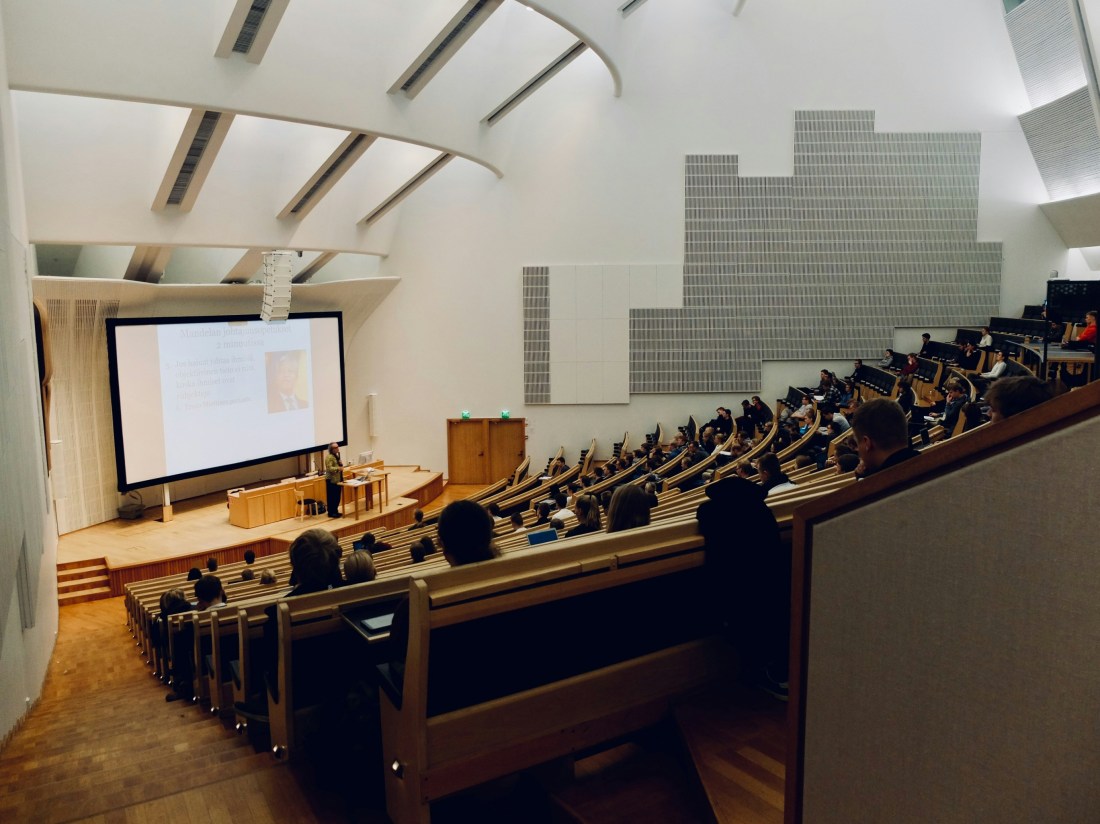
I went to medical school in 1977. I was still only 17 years old but it was a great relief after the horrendous years I had spent at an all-girls boarding school. My fellow students and I started our first year ‘pre-clinical’ training with 4 ½ days a week of lectures. We were expected to assimilate a massive amount of information and then to regurgitate it during the end of the year exams. Those who failed would have one chance to re-sit and if unsuccessful, they would have to leave medical school.

University students are expected to be inquisitive, to ask questions, but at medical school, it was the other way round. Medical students were expected to answer questions correctly to the lecturer or teacher’s satisfaction.

I already felt disadvantaged; one of the lecturers had broadcast that any student who did not have ‘A’ level Physics should not have been granted a place at medical school. I was one of those students. I had done Maths ‘A’ level instead. My school didn’t do physics or chemistry and I had had to cycle to a neighbouring school just to get the mandatory ‘A’ level Chemistry lessons.

I clearly remember the time when I dared to pose a question during one of our lectures: We were learning about asthma, and I asked why it was that I suffered from wheezing after a thunderstorm but at no other time.

“Impossible,” said the lecturer, “grass pollen is the wrong size and cannot provoke any kind of allergic reaction in the bronchioles (small airways in the lungs).”

I felt humiliated—he had just denied my experience in front of 80 students.

It was many years later that I discovered that doctors had observed this phenomenon on a regular basis. It is now understood that aerosolization of pollen in thunder storms can indeed provoke dangerous asthma attacks for hay fever sufferers like me.

This was just one small example of how humiliation of medical students was routine. By the time we got to our clinical studies and spent most of our time rotating around the various specialities in the local hospitals, we were well used to being subjected to belittling treatment at the hands of our superiors. The ward round was a time when the consultant showed his (rarely her in those days) colours. It was not enough to dominate their junior doctors; terrorising medical students was a daily occurrence. We would be quizzed over a patient’s condition and if we failed to give a satisfactory answer, then making personal and derogatory comments to our detriment was considered fair game.

I was not looking forward to my psychiatry rotation. The prospect of spending time in the large institution, Springfield Psychiatric Hospital in Tooting, was scary. Medical students were tasked with presenting written cases on a variety of patients, finding examples to illustrate the most common psychiatric diagnoses. I surprised myself at how much I enjoyed the experience of interviewing these interesting patients. I felt privileged to have the time to sit and listen to the reasons why they were in hospital and discover more about their background and circumstances. I did well and was awarded an ‘A’ grade for my efforts.

However, I wanted to be a surgeon, so my interests lay elsewhere. As it happened my life took an unexpected turn when I became pregnant. I had no maternity leave and had no family help. By the end of the training, when I finally qualified as a doctor, I was exhausted. I was told that my decision not to go straight into work as a junior doctor was tantamount to career suicide, but I wanted to give our little daughter the best chance in life by looking after her myself.

I didn’t start work as a junior doctor until 8 years and 3 additional children later. My husband and I role swapped to enable me to work the grueling 80-100 hours a week required to get my full registration as a doctor. My intention was to become a GP, but just before I reached that goal, I was side-lined into postgraduate training to become an A&E consultant.

At that time, there were only a few brave patients who came to A&E following overdoses, and it was very rare to see any other manifestations of self-harm. The medical profession expressed a global disdain towards these individuals; those diagnosed with a mental health condition were highly stigmatised and considered weak or defective characters.

Admittedly I was tired out. I had been present during some very distressing resuscitation attempts of young children and the memories of my awful, traumatic experience of boarding school had just surfaced. I knew the reasons why I was having an emotional crisis and I went to my GP for help. The GP left little room for discussion before telling me I was depressed. I left the GP surgery feeling utterly bewildered and wondered how on earth a pill like Prozac was going to fix my problems. But I was a doctor and conditioned to believe that the experts knew best. The GP must be right.

I took the Prozac for a while, but it just gave me side effects, so I stopped it. I had no idea that stopping antidepressants precipitously was not a good idea. I had been told they were not addictive and had very few side effects.

My circumstances didn’t change, and I was still very tired, very stressed and feeling unhappy. I became increasingly anxious about the responsibility of treating very sick patients with minimal support from more experienced doctors. When I went back to the GP, I was signed off sick and told I must take the antidepressants and the dose was increased.

At home, alone, with no-one to talk to, things went downhill rapidly. I loved my husband but genuinely didn’t want to burden him with what I felt were unreasonable concerns. After all my profession told me I should be able to cope, and the GP had assured me these pills would soon make me better. I just had to wait it out. But I just kept feeling worse. I couldn’t sleep, I felt agitated, my thoughts were going round and round and then I became suicidal. Being suicidal made no sense. I had a loving husband, four beautiful children. I had a job. There was no reason to want to die.

Nobody understood that suicidal thoughts could be caused by the very drugs which are used to treat depression. When I shared my thoughts with a doctor friend, she was alarmed. I was taken to an emergency appointment at the GP, then an emergency appointment at the department of psychiatry and my husband was told I must be admitted straight away.

That was just the start of the seven-year fiasco, where I was continuously treated with a changing cocktail of psychiatric drugs and multiple ECT treatments. I never improved, instead slowly became worse and worse, as a revolving door patient.

I was given psychotherapy all through this time, but the therapists were not impressed by my accounts of childhood trauma. Apparently, nothing I told them was sufficient to cause the state I found myself in. Nobody considered that the treatment I was having could possibly be detrimental in any way. Nobody understood that the drugs I was taking could be responsible for my deterioration. Instead, I was told that my brain was disordered, that I had a chemical imbalance, and I was seriously ill.

When I started to act out on my suicidal thoughts, self-harming to the extent that my life was in danger, I was sectioned and, in the sixth year, admitted to the secure ward and placed under continual observation. The prognosis was so grim that I was offered psychosurgery. I was desperate to get better. I wanted to be normal, live at home and be a mother to my children. I agreed to the surgery, not really knowing what else to do.

At the point of the psychosurgery, the psychiatrists reduced the cocktail of five drugs at extremely high doses down to two drugs at lesser doses. When I made a spectacular recovery, even the psychiatrists thought it was miraculous. But they could not credit the psychosurgery as responsible for what happened when the ‘light switched on in my head’, nor was the reduction in the number and doses of drugs I was taking ever considered to have any bearing on my recovery.

Eventually I was discharged from the hospital, and I started to take myself off the remaining doses of antidepressants against the wishes of the psychiatrists. When I reported brain zaps, the psychiatrist had no idea what to suggest, other than reduce the dose slowly.

But I was only drug free for a couple of years. During this time, I even managed to get back to work and I was writing my memoir, going through my medical notes to glean the necessary information. The psychiatrist was worried when I reported that I wasn’t sleeping well. He convinced me that this was a sign that the depression was returning. What he said scared me so much that I capitulated and went back on antidepressants.

When my book was published in 2006, I was doing ok, but it didn’t last long. Within a year, I was back to being depressed and suicidal. I felt a terrible fraud having told the world about my successful psychiatric treatment. Once again, I was admitted, this time given ECT. This time, when I was discharged, I was told I must take high dose antidepressants for life. I was also told that I would never fully recover and suffer recurrent relapses. I was therefore advised to avoid all stress and that meant I should never work as a doctor again.

When we moved away and my husband started his training to become a counsellor, I started to hear a different story to the one that I had been taught as a doctor and different to what had dominated my life as a psychiatric patient. I had believed the psychiatrists when they told me I had a very biological depression caused by a chemical imbalance or some kind of as-yet-unidentified brain disorder. In addition to being told that my only hope was to take antidepressants, I was also advised that having any further psychotherapy which went over the events of the past was pointless, and would only serve to further destabilise my precarious remission.

But each day my husband came home from his training and started to drip feed me with alternative ways of looking at things. Maybe feeling stressed and unhappy was a normal response to terrible circumstances. Maybe believing that those supposedly negative emotions were abnormal fed the downward spiral. Maybe hearing society reinforce a message that you should be happy all the time while experiencing the stigma from my profession made it all worse. When the psychiatrist told me time and time again that I was ill and would never recover, maybe it had become a self-fulfilling prophesy.

But could these experts really be wrong? After all, they were highly trained, highly skilled doctors involved in research. Surely while these eminent professors of psychiatry said that I was one of the worst cases they had ever treated, there was no way I could have just been a normal person reacting in a normal way to difficult circumstances. Could I?

When I weaned myself off the sedating antipsychotic drug which had been added to the cocktail of high-dose antidepressants, I felt a lot better. The psychiatrist was not happy. He warned me. If I was to stop any more of my drugs, I might once again find myself back in hospital with a relapse.

When I tentatively started to return to work as a doctor—very part time at first—I was fine.

By 2016, I had seriously started to doubt that suffering awful side effects from taking off-licence high doses of two antidepressants was worth my while. Slowly I started to reduce the doses and I was fine. While I became more confident in the robustness of my recovery, I still remained ignorant about withdrawal. If only I had searched online, I would have known better.

Likewise, I was ignorant that other people who had also been sent away to boarding school as young children also suffered severe consequences as adults. If only I had searched online, I would have discovered these important facts earlier in my life. As it was, left in ignorance, I believed that I was somehow uniquely weak, uniquely flawed and terribly, terribly ill just like the psychiatrists had told me.

I didn’t want to tell doctors about my symptoms during withdrawal. I had no desire to draw attention to what I was doing, and risk being re-diagnosed or medicated again. By trial and error, I discovered that reducing the dose of the psychiatric drugs had to be very, very slow. It wasn’t scientific but I found myself cutting tiny slivers off the tablets and carrying them around with me, to make sure I could take a tiny amount when the feelings like electric shocks became too much. I had to reinstate the other drug when I found the rebound insomnia, the restless legs, the cramps intolerable. But my emotions were alive. I was living in three dimensions after years of feeling like the world was unreal and that I was completely numb. I cried and cried, but I also laughed and felt joy. It was incredibly scary at times, when I felt panic stricken and afraid. Occasionally I had suicidal thoughts, but somehow, I knew they would pass.

One day, it was like the penny dropped and I laughed out loud when I realised that I had been prescribed medication to treat my psychiatrists’ anxieties. They should have been the ones taking my pills.

I found a counsellor and talked over what had happened to me as a child at boarding school. She was amazed. How on earth had nobody taken this seriously all those years ago? I had been through hell back then, and it had been re-enacted by the psychiatric system which re-traumatised me every time I was admitted to hospital. At last, I started to process memories and emotions that had remained suppressed for decades. I had to learn to recognise my survival persona, one who was easily controlled and coerced. One who knew only how to drive herself harder in response to difficulty. I had to meet my inner children and give them the love and comfort which they had been deprived of while I was growing up.

I made a grave error when I decided to go cold turkey on one of the antidepressants – within two days I had severe burning pain and to this day, I still have the symptoms of small fibre neuropathy. I haven’t slept through the night since that time and now I know that these symptoms are very likely manifestations of a protracted withdrawal syndrome.

In the last few years, I have met two educators in different parts of the country. Both were involved in teaching medical students and/or doctors. Neither of them were medical themselves but both qualified teachers and had the academic credentials to be recognised as experts in education. One of them was employed by a medical school, but suddenly their expertise was no longer required to teach ‘problem-based learning’. The other person was also ousted from their role. They are happy to speculate that this is because the students had learned how to apply their critical thinking too effectively. They were becoming bold, asking awkward questions, no longer willing to learn by rote.

Medical research is largely funded by the pharmaceutical industry, papers ghostwritten by the pharmaceutical industry and influencers paid by the pharmaceutical industry. Regulators are not independent either and so it is that most doctors have become pawns in a system, used to deliver the drugs which provide the fundholders with the maximum profit. So far, the system has failed to eliminate corruption and bias, for one reason only, that is there is no such thing as a free lunch.

Most doctors are not capable of critically appraising the research and ‘evidence’ is sold to us as ‘gospel’. Doctors lack time and training, and are part of a historical, culture which trusts in the academic expertise of influential colleagues. My own medical training had simply reinforced the myth that expert doctors knew best. I had denied my own personhood, ignored my gut instincts and succumbed to the traditional biomedical psychiatric paradigm.

There could have been a quicker route to reach the same conclusions as I have now. There was no need for me to have done this alone; there are plenty of other voices out there, plenty of people who can guide the way.

We might think we choose what we believe but it very much depends on what information is fed to us and importantly, what is withheld. We live in a culture which is heavily influenced by social media and the advertising industry. We cannot rely on the medical profession to take the lead.

While some patients may find psychiatric drugs helpful, at the very least all patients need to be fully informed of the risks of potentially dangerous side effects, and the risks of withdrawal.

I am one of the lucky ones who survived, but others have lost their lives as a direct result of psychiatric drugs. I have written a sequel to my original memoir which reflects the turnaround in my thinking. Unshackled Mind will be published in the coming year. Please join me in speaking out, so that others may be spared from unnecessary suffering and life-threatening risks, all of which may follow an innocent request for help during an emotional crisis.

***

Photo by Dom Fou on Unsplash